Koh Yao Noi: No Cars, 400 Baht From Phuket, and the Ferry Stops at Five
The one Andaman island where the jet skis cannot get in. How to reach it, what it costs, what to do on a beach that changes shape twice a day, and the honest verdict.
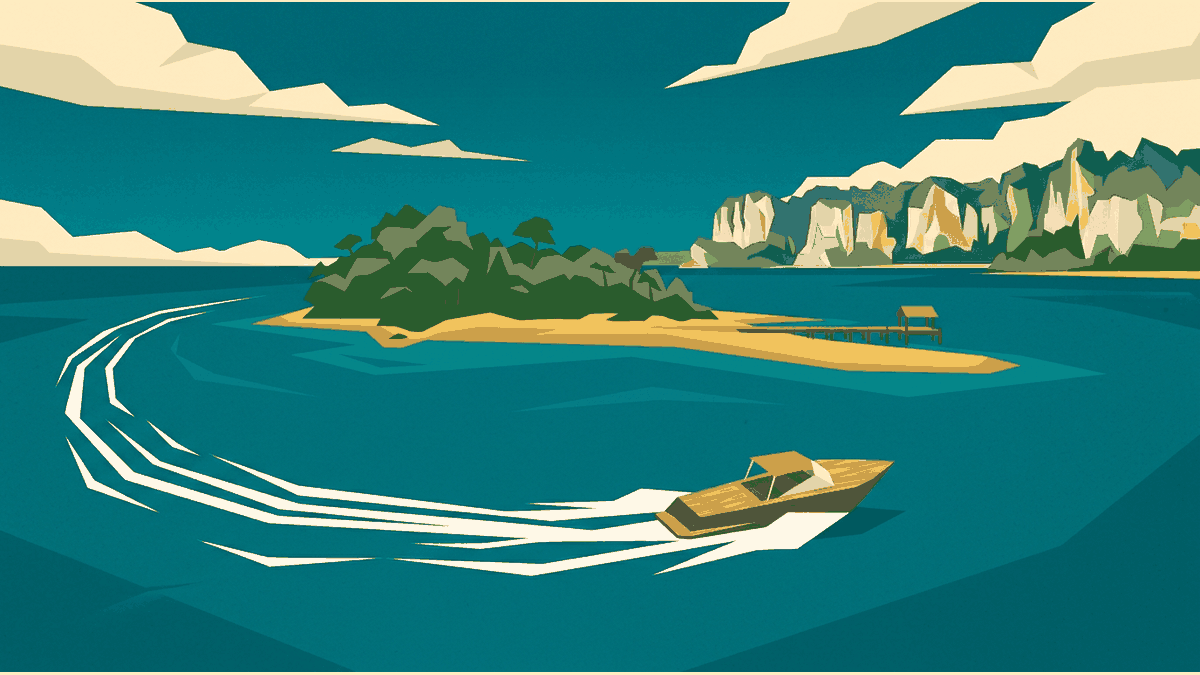
Everyone on the boat from Phuket asked how long we were staying. When I said three nights, the man from Bangkok said "that is not enough" and the man from Krabi said "that is exactly right", and they spent the rest of the crossing not speaking to each other.
Both of them were correct, which is the most common thing about Koh Yao Noi.
Last verified 6 October 2026. Ferry schedules and prices shift; check on the day.
Getting there, and what it costs
From Phuket is the easy way. The pier is Bang Rong, on the east coast, about twenty-five minutes from the airport on the wrong side of the island from the beaches everyone lands at. Speedboats run from early morning until roughly five in the afternoon, the crossing is about thirty minutes, and it is around 400 baht a head. Boats are frequent enough that you do not need to book, but in high season you should.
From Krabi is the better way if you are already there. Boats leave from Ao Nang, from Railay, from Ta Len and from Nopparat Thara, for roughly 300 to 500 baht, and the departure point is usually a ten-minute walk from where you are staying.
From Koh Lanta there is a service from Saladan that takes about two hours. This is the one to use if you are doing a south-to-north run rather than a day trip, and it is the reason to bring a scooter for the Lanta-to-Yao leg rather than adding another flight.
All of these land you at Manoh Pier on the south side, or at Tha Kakao on the north road depending on the operator. The piers are not interchangeable for where you stay, so check which one your bed is at.
There are no cars, and that is the entire point
Koh Yao Noi is not a resort island with a ring road you can drive a hired car around. There are no cars. The interior is homes, farms, forest and shrines, and the road around the edge is the island's only real street.
You get around by one of three things: a motorbike, roughly 250 baht a day; a songthaew pickup, around 200 baht per person if the truck goes your way; or walking, which at the pace of the island takes thirty minutes to cross and is how most people over fifty do it.
Longtails run from the pier out to the small beaches for around 100 baht a head if the water is calm enough for anyone to be piloting.
The practical consequence is that nothing is close to anything. Restaurants are not in a town. The shop where you buy water is not next to the pier. The beach is not next to your room. Plan twice a day, and accept that a "quick trip" is twenty-five minutes each way.
The tide changes the island
This is the part photographs do not show you. The main beach is wide at low water and largely gone at high, and the water at the sides turns to a different colour as it comes in, from clear over sand to a solid green over the mud flats. Swimming is a morning and late-afternoon proposition, not an all-day one.
Plan the day around that and the island makes sense. Swim early, ride the motorbike in the heat of the afternoon, eat, and get back in the water as the tide drops. People who show up at one in the afternoon and never get in the water leave thinking the place is disappointing.
What is actually there
Not much, and that is the argument. There is no beach club scene, no jet ski queue, no naam thip aerobics. There is a ring road, a lot of motorbikes, small noodle shops where the machine is louder than the conversation, and Koh Yao Yai next door — the much larger island across the channel, which is unspoiled and almost entirely uninhabited, and which you can visit by longtail if you want to see what "quiet" looks like with no hotel on it.
Money is the other surprise. The island is mostly cash, with very limited ATM access and no reason to assume any given machine will work. Bring what you need and do not plan a cash-dependent evening.
When to go
November to March is the dry season, the water is at its best, and it is also when the island is fullest. If you want those conditions, book ahead and accept the crowd.
May to October is the monsoon, and this is the version I would actually recommend. The rain is heavy but it is not daily, the ferries are disrupted more often, the northern tracks turn to mud after a heavy afternoon, and in exchange the island is close to empty and accommodation collapses in price. Shoulder months — May, and October — are the sweet spot: warm, wet occasionally, and cheap.
The honest verdict
Three nights minimum. One night is a day trip with a bag. Four or five is a proper week. The island rewards boredom. It does not reward a checklist.
It is not the best island in Thailand, and it does not claim to be. It has no cliffs, no diving, no party. What it has is a thirty-minute boat, a road you can walk, and the near-total absence of anyone trying to sell you something. For three days in the middle of a two-week Andaman trip, that is worth more than another Koh Larn day trip from Bangkok.
Take the slow boat. Bring cash. Go in the wet.



