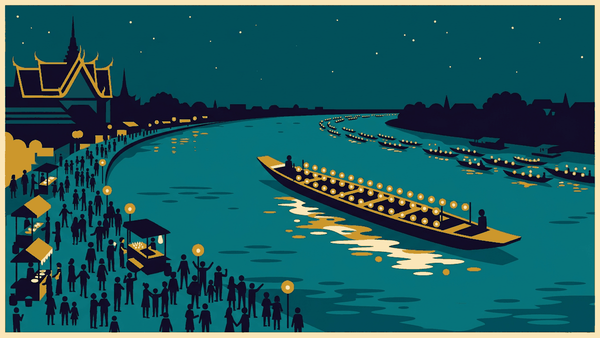
Phi Phi Is the Most Crowded Place in Thailand and It Is Still Worth Going
The beach from the film is closed to swimmers for four months a year and capped to a few hundred people when it is open. Here is how the place actually works now.
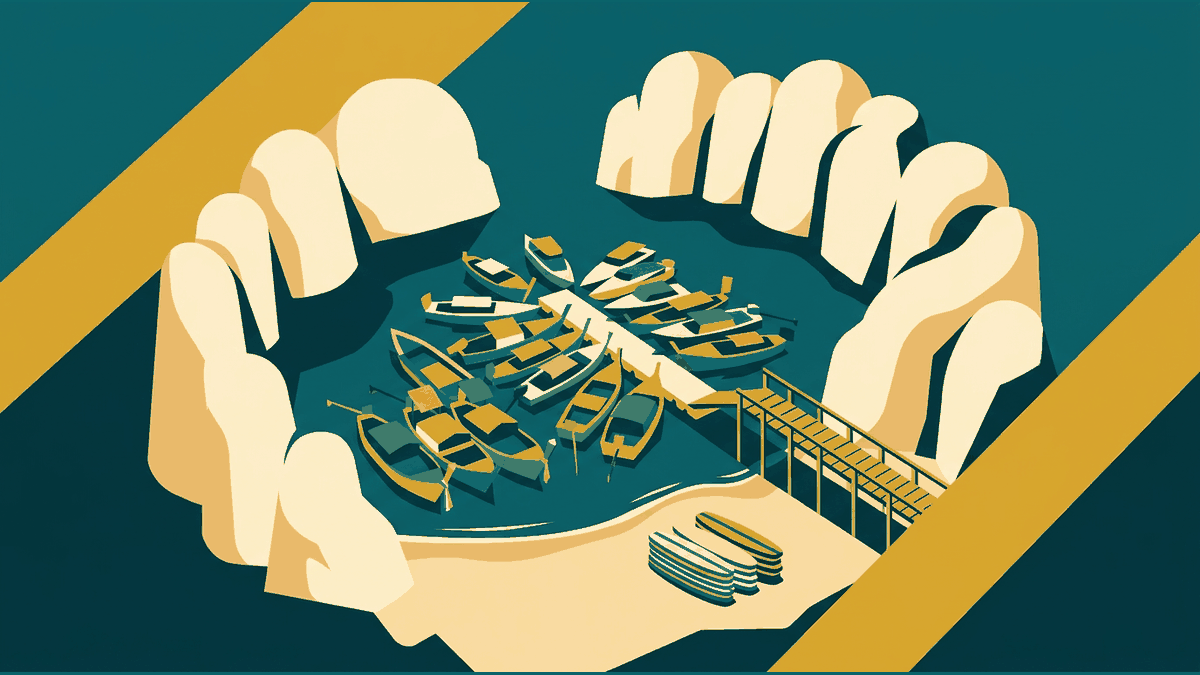
The boat arrived at the beach from the film, there were four hundred people standing on sand that photographs like it holds four, and a man with a clipboard was walking up and down the shallows counting.
That clipboard man is the entire reason Phi Phi is still worth going, and almost nobody knows that.
Last verified 1 August 2026.
What actually changed, and when
The bay at the centre of the Phi Phi story was closed to visitors for four years after mass tourism did what mass tourism does to a shallow enclosed bay. The damage was severe enough that the decision was not a soft one.
It reopened under a set of rules that are worth knowing before you book anything. No swimming. A managed boardwalk. A hard cap on how many people are on the beach at once, in the region of three hundred, allocated in time slots. And a one hour limit, enforced.
And it closes completely for two months every year, from the first of August to the thirtieth of September, for coral recovery. The tours do not run. This is not negotiable and it is not weather-dependent.
So if you turn up in late July expecting a swim, you are four days late for a closed season that lasts another two months. Check before you spend money, not on the morning.
What the one hour is actually like
Less like a visit and more like being processed through a very beautiful place. You walk a boardwalk, you arrive on a beach that is genuinely spectacular and genuinely crowded, you have roughly half an hour of actual sand time once you subtract the walk in and out, and then you are moved along.
Operators are assigned arrival windows by park staff to stagger the flow, and the first slot of the morning is noticeably different from the last. If you can choose a slot, choose an early one. It is the only lever you have and it is worth pulling.
The lighting at an early slot is also better, which is a secondary reason to prefer it that happens to be true every time.
Where you can actually swim
Everywhere else, and this is the part people get wrong. The bay everyone photographs is the one place you are not allowed in the water. The rest of the archipelago is ordinary marine national park with excellent snorkelling.
Shark Island and Bamboo Island are the swimming and snorkelling stops, and they are good. Pileh Lagoon is a narrow rock pool you paddle through, which is a peculiar and memorable half hour.
And Monkey Beach, which is named honestly, is a legitimate swim if you accept the risk. Macaques on an island with a food supply from a day-trip industry will take sunglasses. Decide for yourself whether a scratched macaque is an acceptable price for a photo.
Choosing a boat, which matters more than the itinerary
The single biggest variable in a Phi Phi day is the boat, and it is the one nobody asks about. A maintained speedboat with a proper hull and an actual crew is a different experience from an old hull pushed hard, and the price difference between them is small enough that it should not decide anything.
Ask how many stops. Four stops means you spend the day getting on and off boats. Six stops means you spend the day travelling. Neither is right for everyone, but one of them is a mistake and it is usually the six.
Check whether the national park fee is included, because it is charged separately at the pier and a foreign adult pays a few hundred baht for it. It is not a scam, it is a national park, and nobody is going to reimburse you.
And check the cancellation terms in writing, because a monsoon day in May and a flat calm in February are very different propositions and operators vary enormously in how they handle the first one.
Phi Phi Don versus staying on the island
The day trip is the right answer for almost everybody. You get the water and the bays without committing to an island that is genuinely loud at night in a way no brochure suggests.
Staying means the party town, which is fun for exactly one night and is a terrible place to sleep for three. The other Phi Phi islands are quieter and the accommodation is better, and the transfer between them in the high season is a boat ride rather than a problem.
And the shoulder months are the real answer, when the boats are small and the crowds are thin and the water is still warm. That is April to May and October, and it is a genuinely different country from a March peak.
The honest summary
Phi Phi is overcrowded, regulated, and slightly disappointing, and I would go again. The water is still the water, the cliffs are still absurd, and the fact that a clipboard man is now the most important person on the beach is a story worth having been there for.
Just go with the right expectations, in the right months, on a decent boat, and do not book a tour in early August expecting the shot from the film.