The Similans Have a Fixed Opening Date and It Is Not a Suggestion
Eleven islands, nine of them open, a hard closure every May, and a rule that no beginner course is allowed inside the park. Here is how the system actually works.
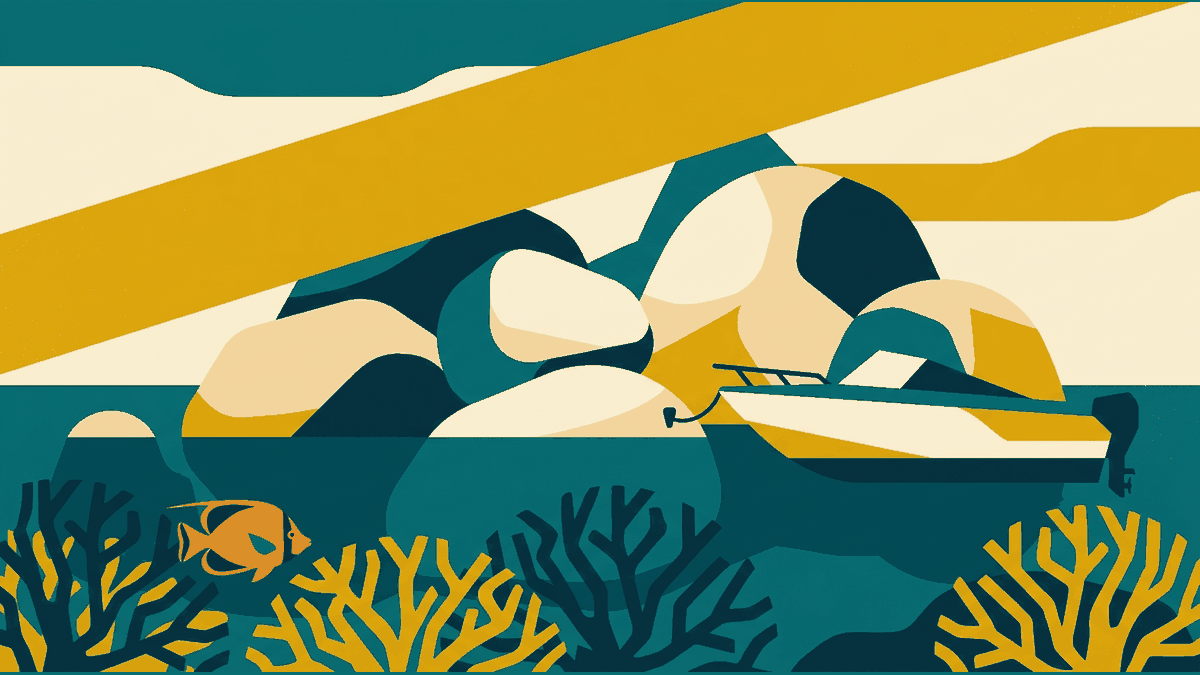
I turned up at the pier in June with a fully booked boat, a hotel in Khao Lak, and a reef that did not exist for another four months.
The Similans are not a place you visit. They are a place that opens on a date, closes on a date, and makes absolutely no exceptions for anybody who booked in advance.
Last verified 1 August 2026.
What the name means
Similan is a Malay word for nine, and there were nine islands when the park was created. Two more were added in the late 1990s, so there are eleven, all of them numbered in a straight line running north to south.
Number 8, Ko Similan, is the big famous one with the granite boulders and the swim-through. Number 4, Ko Miang, is the other island open to day visitors, and it is the quieter and more beautiful one.
Number 11, Ko Tachai, has been closed to visitors since 2016, when the reef was being destroyed by the volume of day trippers. It remains one of the best reefs in Thailand and you cannot go near it. There have been reports that the ecosystem recovered and reopening has been discussed, and no date has been announced.
Number 10, Ko Bon, is for scuba divers only. Which is the correct policy and is also, quietly, the reason the diving here is as good as it is.
The season, which is a fixed annual closure
The park opens on 15 October and closes on 15 May. That is a decision set by the Department of National Parks and it applies to every operator without exception, and it is not a weather call made week to week.
So the park is shut for the whole of June, July, August and September, and a great many people find this out at the pier.
Check the current dates before you commit, because they have shifted slightly in some years. But plan around a mid-October to mid-May window and you will not be caught out.
The visitor limit is real
There is a daily cap on how many people can be in the park, in the low thousands, and it is enforced through the national park ticket system rather than by counting heads on the beach.
The entry fee is charged per person, several hundred baht, and it is a national park fee rather than an operator fee. Some packages include it and some do not, so compare quotes carefully before you assume you are saving money.
And overnight stays on the islands are not permitted. If you want more than a day, the only option is a liveaboard, which is a dive boat you sleep on. That is a genuinely different trip and a much better one for anybody who is here for the diving rather than the photographs.
Why the diving is worth the logistics
This is one of the best dive sites in Asia and the reason is that the visitor pressure has been managed far more carefully than at most of the famous Thai sites. Dive numbers per day and per site are controlled, which is why the coral is in the condition it is.
There is a rule that catches people out: entry level scuba courses are not permitted inside the park. You cannot do a Discover Scuba or an Open Water course on the islands. If you are not already certified, you are a snorkeller here.
Visibility is excellent in the season, the water is warm most of the year, and there are whale sharks on some dive sites seasonally, which is a scheduling gamble and an extraordinary thing to see.
And the boulders on number 8 are a genuinely unusual place to dive, huge rounded granite formations with fish schooling in and around them, and it is not remotely like a reef dive anywhere else in the country.
Getting there
Day trips leave from Thap Lamu pier near Khao Lak, and from Phuket, and the run is three to four hours each way, which is a long day and a real one.
Base yourself in Khao Lak if you can. It is closer to the pier than Phuket, the hotels are better, the price is lower, and you are not spending two hours in a van before the boat even leaves.
Book the first boat of the day if you want the empty water, and understand that the early boats get the calmest conditions and the first diver numbers of the day.
When to go, precisely
Late October and November, and early May, are the best windows. The water is calmer, the boat traffic is thinner, and the weather is not yet the reason everybody is on holiday.
Late December and early January are the peak, which means more boats, more people on the islands, and a higher price. It is still worth it, but it is a different experience from the one the photographs suggest.
And February to April has the best visibility and the least comfortable heat.
What people get wrong
They think it is a snorkelling beach trip. It is a marine national park with a hard visitor cap and seasonal closure, and treating it like a beach excursion is how you end up disappointed in a beautiful place.
They book the cheapest boat, which is a small fast one that sits low in a swell, and the difference between that and a proper hull on a long crossing is the difference between a good day and a sick one.
And they go in the wrong month, which is the most common and the most avoidable mistake in this entire post.



