Most Hill Tribe Tours Make You Part of the Problem
The Karen, Hmong, Akha and Lahu villages in the north were resettled, relocated and turned into tourism over about thirty years. Knowing that changes which tour you book.
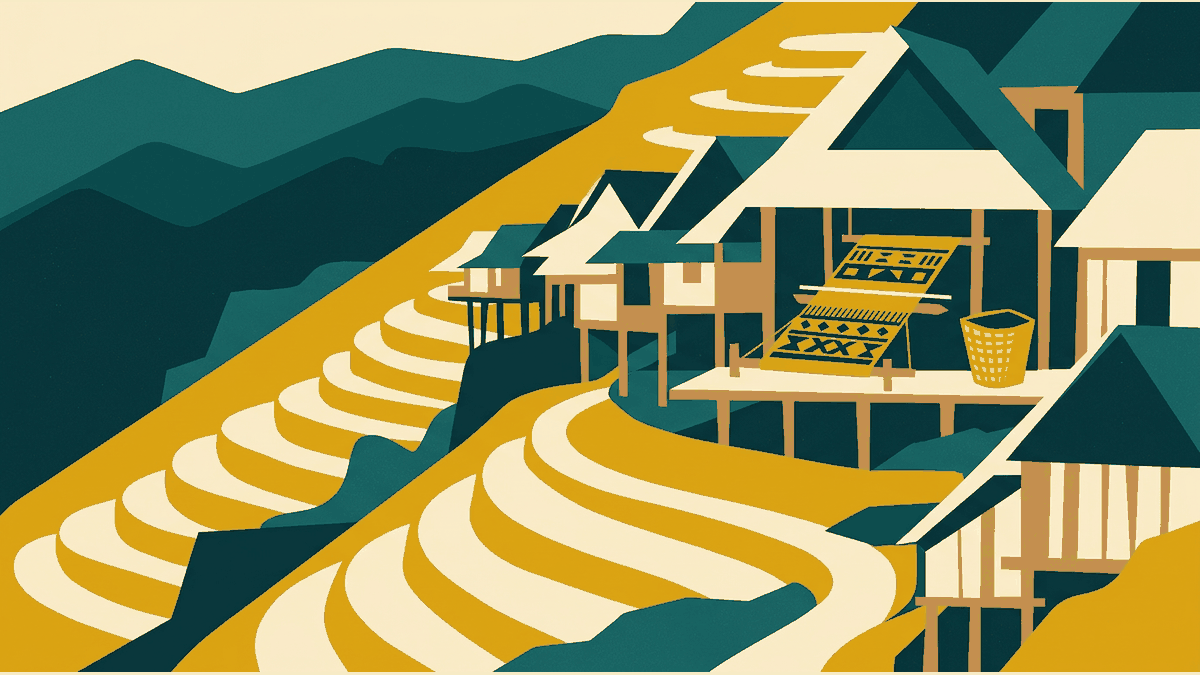
Somebody paid a woman to wear a silver neck collar for a photograph. She is Akha. The neck collars are real, and the woman was real, and the transaction was arranged by a tour company for a fee that did not reach her, and everybody involved was entirely comfortable.
That is the standard against which every hill tribe tour in northern Thailand should be judged.
Last verified 1 August 2026.
The history, briefly, because it explains everything
The hills north and west of Thailand have been home to distinct ethnic communities for centuries, including Karen, Hmong, Akha, Lahu and Lisu, among others. They are not a single group and the word tribe flattens differences that matter.
They were here first, and the state spent much of the twentieth century trying to move them. Opium eradication campaigns in the 1960s and 70s displaced families, and government resettlement programmes moved whole villages to lower valleys specifically to integrate them, control them, and in some cases to stop them growing crops they were not supposed to be growing.
From the 1980s, development policy turned that into a different kind of displacement, this time through tourism. Villagers were taught that visitors expected a show, and the show became the income, and the show is what you are now being sold.
And in the 1990s the Royal Development Projects Board built what were described as hill tribe villages as showcase villages, with tourists moved in and residents moved out. Some of that infrastructure is still standing and is now used for tourism. The Karens specifically have been through this twice, which is why Karen villages are the most contested in the country.
What a good visit looks like
A village where people go about their actual day. That is the whole criterion, and it sounds obvious until you notice how often it is not true.
No performance, no demonstration schedule, no costumed sitting. If there is a loom demonstration it should be somebody weaving because they weave, not because you are here, and the difference is visible if you have seen both.
Money that goes to the village, transparently. A homestay where you sleep in the village, eat what the village eats, and pay a family directly is a transaction. A tour bus that stops for forty minutes and hands money to a driver is a different transaction wearing the same clothes.
And a community deciding. The strongest signal in the sector is a village that has set its own visitor rules, including rules about photography, and enforces them, because that means somebody there has decided what tourism is for.
The questions to ask before you book
Ask what happens to the money and who receives it. A good answer is specific and slightly awkward. A bad answer is about supporting a community.
Ask how long the village has been doing this and whether the residents chose it. Ten or twenty years is a track record. One year is a new product.
Ask what the village produces, beyond the visit. Cash crops, coffee, fruit, textiles, education. A village with an economy is a village where tourism is optional, and a village with no economy is a village where the show is compulsory.
And ask what happens if you buy something. If the answer involves a cooperative or a named family, good. If the answer involves a middleman, work out what his cut is.
Photography
Ask before photographing people, every single time, which in practice means asking the room rather than the person, because in most of these communities a woman will agree to a photograph and her mother-in-law standing next to her will not, and both of them will be in the frame.
Never photograph children without explicit permission from a parent, and treat any operator who encourages it as an operator who will encourage other things.
Do not photograph ceremonies, funerals or worship without a clear yes, and accept a no without negotiating, because a no here is not a sales objection.
And do not pay for photographs of people in traditional dress. That is a person in ceremonial clothing standing in the sun while you decide, and the money goes up a chain.
Where the framework genuinely improved
The Hill Tribe Welfare and Development Foundation and the Queen Mother's patronage work have done real, unglamorous good around education, health and legal status for these communities, and much of the current best-practice model is downstream of that.
Community-based tourism, where a village owns the product, sets the price and can refuse visitors, is now the stated model across much of the sector, and it is a genuinely better model than what it replaced, even though the money is still small and the outcomes are uneven.
My honest view
Visit, and do it carefully, because these are real places with real histories and refusing to go is not a moral position. The problem is not that you are looking. The problem is a transaction where the person being looked at is not the person being paid.
So go to a village, not a stop. Stay the night. Pay the family. Ask the awkward questions. And be suspicious of any itinerary that has four villages in a day, because four villages in a day is not four communities, it is four bus stops.



